
Winter Survival Skills Every Beginner Should Practice
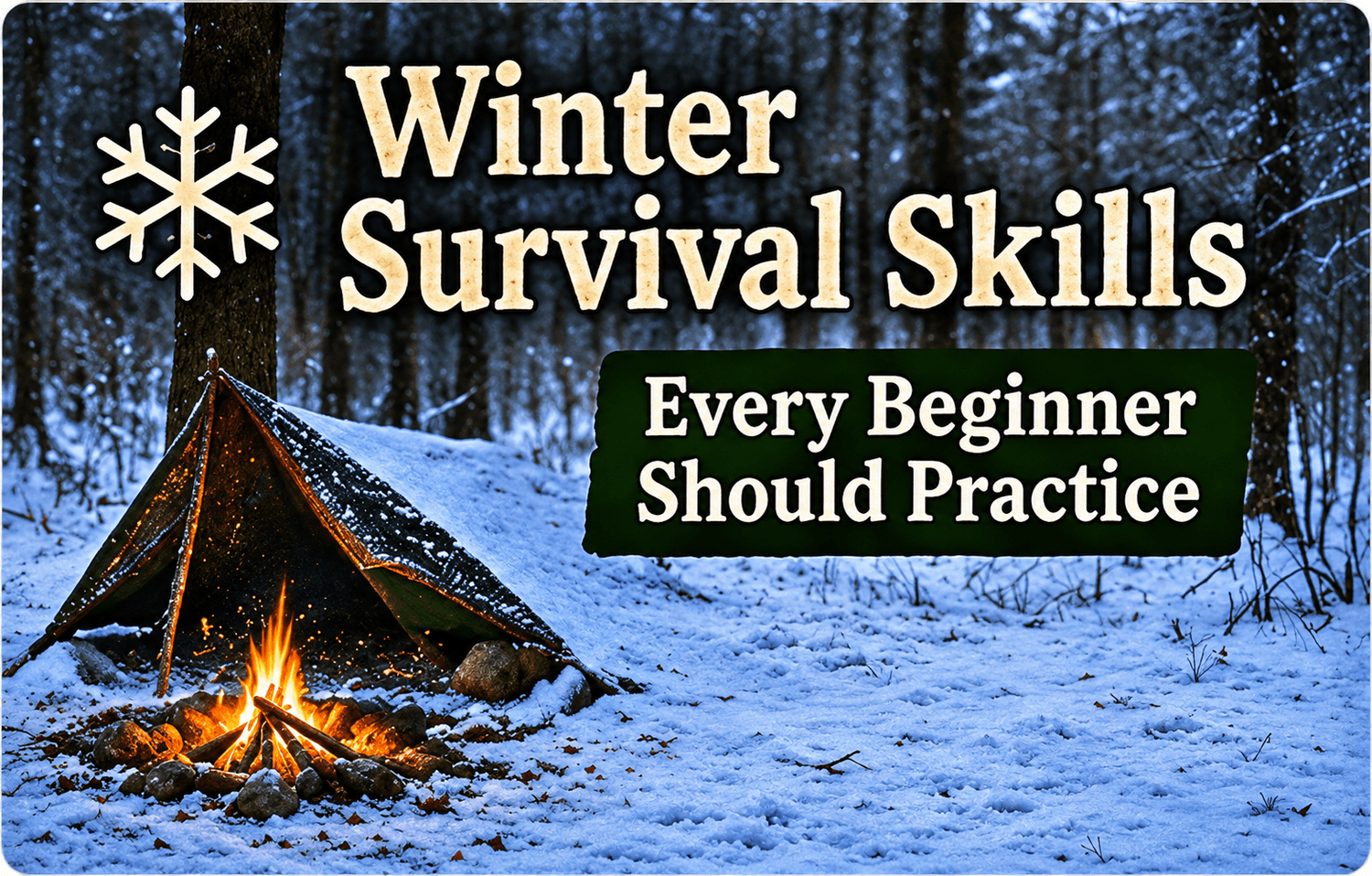
Cold weather turns small problems into connected ones. You sweat climbing a hill, stop to fix a strap, and suddenly that damp shirt feels cold. Add wind, a slow return trip and fading daylight, and an ordinary outing can become an exposure emergency.
Winter survival starts with preventing that chain. This guide explains how to plan a short trip, manage clothing, use shelter and recognize when practice needs to end. Learn close to reliable help before taking these skills into remote country.
Plan a trip you can shorten
Choose a familiar route with clear turnaround points and an easy exit. Check the forecast, wind, precipitation, daylight and land-manager alerts on the day you leave. Snow and ice can make familiar summer routes slower or impassable; do not use summer mileage as your winter timing estimate.
Tell a reliable person your route, parking location, companions and expected return time. Agree on what they should do if you are overdue. Carry navigation, a charged phone protected from cold, a headlamp and extra power; service and battery life are not guaranteed.
Set your turnaround time before starting. Turning back while everyone is still warm and moving well is a successful decision. Do not wait for the group to become exhausted before asking whether it is time to leave.
Adjust layers before you sweat
Use a moisture-managing base layer, insulating middle layer and weather-resistant shell. Wool or suitable synthetic layers are practical choices; cotton that becomes wet can be difficult to dry and poor insulation. Protect your hands, feet and head, and pack dry spare clothing in a waterproof bag.
Before a hard climb, open vents or remove an insulating layer while you are still comfortable. At a stop, add insulation before you become chilled. Clothing that works while walking may be inadequate while sitting on cold ground.
Boots need room for circulation without being loose enough to rub. Extra socks do not help if they make boots too tight. Practice using zippers, snacks, your phone and shelter cords while wearing gloves; an essential tool buried at the bottom of a pack is hard to use with cold hands.
Build protection from wind and ground
A tarp blocks wind and precipitation, but it is not a complete sleep system. A suitable insulated pad reduces heat loss to the ground. A sleeping bag or quilt must suit the expected conditions and the sleeper, with a margin for a colder-than-forecast night.
Choose stable ground away from drainage channels and exposed ridges. Look up for dead limbs, damaged trees and heavy snow overhead. Avoid avalanche terrain, frozen water crossings and unfamiliar winter hazards; these require more training than a beginner shelter exercise provides.
Pitch the shelter before weather worsens. Secure the windward side, check anchors and keep dry clothing protected while working. Never bring a stove, charcoal burner or open flame into an enclosed shelter for warmth. Carbon monoxide and fire can make that shortcut fatal.
Keep fuel in your body and time in reserve
Carry accessible food you can eat without prolonged cooking. Pack drinking water in a way that limits freezing and check it during breaks. A frozen bottle or inaccessible snack will not help a tired person who needs a pause.
Treat fire as an optional skill, not the foundation of your exposure plan. Local restrictions, wind or wet fuel may prevent it. Clothing, shelter and an early return should work without a campfire; a lighter or ferro rod cannot repair a bad trip decision.
Recognize a problem early
Persistent shivering, unusual fatigue, fumbling, confusion and slurred speech can indicate hypothermia. A person may not recognize their own deterioration. Watch companions, check in at breaks and respond to behavior changes rather than arguing about toughness.
Stop the exposure, move to shelter and get emergency help for suspected hypothermia. Replace wet clothing when you can do so safely and insulate the person from the ground. Follow emergency-dispatch instructions. Do not keep hiking into worse conditions to preserve the itinerary, and do not wait for a fire before calling for help.
Field exercise: a short winter systems check
Choose a calm day, a familiar location and a partner, with a warm indoor retreat nearby. Keep the session short and take normal backup equipment. This is equipment practice, not a cold-tolerance test.
Walk gently for ten minutes and adjust layers before sweating.
Stop, add insulation and find a snack, headlamp and dry gloves without unloading the pack.
Pitch a tarp on a safe site, then sit on your pad briefly to assess wind protection.
Pack up while everyone is comfortable. Write down what was hard to reach or operate.
Change one weak part of the system before the next trip. Familiar equipment and a timely decision are more useful than a dramatic test of endurance.
Further guidance: National Park Service: winter safety.